
Inheriting a home often comes with more than just a set of keys. There may be belongings to sort through, repairs to consider, family members to coordinate with, legal steps already underway, or a property sitting vacant while you live somewhere else.
I help Trustees, Executors, Administrators, and heirs prepare and sell inherited homes throughout Greater Sacramento — whether the property is held in a trust, going through probate, needs work, or is ready to sell as-is.
Before you start cleaning everything out, hiring contractors, or spending money on improvements, let’s look at the property and determine what actually makes sense.
Who I Help

Trustees
When you’re responsible for a home held in a trust and need clear guidance on preparing and selling the property.

Executors & Administrators
When an estate includes real property and you need someone experienced with the real-estate side of an inherited-home sale.

Heirs & Beneficiaries
When you’ve inherited a home and need help deciding what to do with the property, belongings, repairs, and eventual sale.

Out-of-Area Families
When the property is here but you aren’t and you need someone local to help coordinate the details.
You're Not Here. I Am.
Inherited homes are often left behind after the family has moved away, a loved one has passed, or the person responsible for the property lives somewhere else.
I can be your local eyes and ears in the Greater Sacramento area, helping coordinate property access, cleanout, vendors, repairs, landscaping, inspections, staging, and the real-estate sale itself.
You don’t have to make repeated trips to Sacramento just to make sure the lawn was mowed, a contractor got inside, or the house is ready for an inspection.
You handle what only you can handle. I’ll help with the property here.
A Clear Plan for the Property
Every inherited home is different.
Some homes are ready to sell with very little preparation. Others have decades of belongings, deferred maintenance, family decisions still being made, or a property that has been sitting vacant. We’ll start with the home as it sits today and create a practical plan before you start spending money.
1. Assess
We’ll look at the property, its condition, your timeline, the local market, and what you hope to accomplish. I’ll help you understand the home’s current market position and identify anything that may affect the sale.
2. Prioritize
Before you hire contractors or start making improvements, we’ll determine what may actually help and what can probably be left alone. Sometimes a few strategic updates make sense.
Sometimes selling as-is is the better decision. The goal is to protect your time and the estate’s money, not renovate simply for the sake of renovating.
3. Prepare
If the property needs cleanout, cleaning, landscaping, repairs, vendor access, staging, or other preparation, I can help coordinate the local real-estate details and keep the process moving.
If you live outside the area, this can be especially valuable.
4. Sell
Once the property is ready, I’ll handle the real-estate sale from marketing through closing — including showings, offers, inspections, negotiations, appraisal, escrow, and the many details in between.
Throughout the process, I’ll keep you informed so you know what is happening with the property even when you cannot be here yourself.
Before You Spend Money on the House, Let's Talk.
You may not need to do nearly as much as you think.
One of the first questions families ask me is:
“What do we need to fix before we sell?”
Sometimes the answer is surprisingly little.
Before you empty the house, replace flooring, remodel a kitchen, or start calling contractors, let’s look at what buyers are likely to value and what is most likely to help the seller’s bottom line.
Inherited Home Resources
Practical answers for Trustees, Executors, Administrators, and heirs.
Selling an inherited property can bring up questions that don’t come with a typical home sale.
These resources are designed to help you understand your options, prepare the property wisely, avoid unnecessary expenses, and know what to expect along the way.
Topics include:
Selling a home held in a trust
Selling property during probate
Preparing an inherited home for sale
Deciding whether to repair or sell as-is
Managing a vacant inherited property
Cleaning out a home after a loved one passes
Selling when heirs live outside the area
Coordinating repairs and vendors
Staging an inherited or vacant home
Working through a sale involving multiple family members
Explore Inherited Home Resources
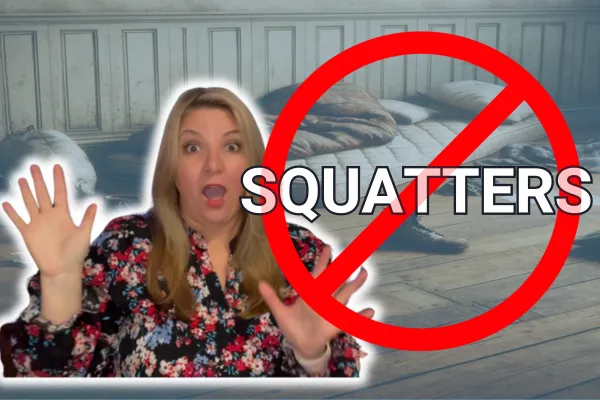
7 Essential Tips for Securing Your Vacant Property
Prevention and Protection Strategies
Discovering your vacant property has been vandalized, broken into, or even occupied by strangers can be a distressing experience. Protecting these properties is crucial, especially in scenarios where the property is inherited, left empty during recovery periods in care facilities, or simply between tenant occupancies.
A firsthand encounter with such an event can be quite alarming. In the video below, I share my experiences with such encounters. This situation underscores the need for immediate action, like contacting law enforcement and ensuring the property is secured.
Most burglaries are opportunistic crimes. Observing a house during renovations, especially at the stage of new appliance installations, can attract criminals. This highlights the importance of vigilance and preventive measures to safeguard against theft, vandalism, and unauthorized occupancy.
To protect a vacant property effectively, several strategies can be employed:
Consult Your Insurance Agent: Inform your insurance agent about the property’s status and vacant homeowners insurance to understand the implications of a vacancy clause in your policy. This step is vital for ensuring coverage against theft, vandalism, and undiscovered damages that can occur during periods of vacancy.
Secure and Monitor the Property: Assess the property for any vulnerabilities. Ensure all doors and windows are secure, and consider installing a security system or video surveillance. Such measures not only deter potential intruders but also help in monitoring the property remotely.
Maintain the Property’s Appearance: Keep the exterior of the property well-maintained. Trim overgrown trees and bushes to eliminate hiding spots for burglars and enhance the property’s curb appeal. This not only deters criminals but also maintains the property’s value.
Engage Neighbors: Informing neighbors about the vacancy can activate a community watch. Neighbors can report suspicious activities, helping to prevent unauthorized access and ensuring prompt action in case of emergencies.
Manage Mail and Deliveries: Ensure mail and deliveries are regularly collected or forwarded to avoid signs of vacancy, which can attract unwanted attention from potential intruders.
Understand Local Regulations: Familiarize yourself with local regulations and ordinances regarding vacant properties, including any requirements for registration or maintenance standards to comply with municipal guidelines.
Create an Appearance of Occupancy: Utilizing timers for interior and exterior lights, or even innovative solutions like virtual K-9 units or fake TVs, can simulate occupancy, deterring potential intruders.
These comprehensive measures can significantly reduce the risk of your property being targeted by criminals. Implementing these strategies not only protects your investment but also contributes to the safety and security of the community.
Click here to access our Vacant Property Checklist.

Experience With Probate, Trust & Inherited Property Sales
Selling an inherited home is still a real estate transaction, but the circumstances surrounding it are often very different.
I have completed specialized training in probate and trust real estate and understand many of the practical issues that can arise when a property is being handled by a Trustee, Executor, Administrator, or family member.
My role is not to give legal advice. Your attorney handles the legal side.
My role is to help you understand and manage the real estate side of the property - preparing it, marketing it, negotiating the sale, and getting it successfully through closing.
Certified Probate Expert | Certified Probate & Trust Specialist



Have an Inherited Property in Greater Sacramento?
You may still be figuring out what to do next.
That’s okay.
You don’t need to have the house cleaned out.
You don’t need to know what repairs it needs.
And you certainly don’t need to have everything figured out before you call me.
We can start with a conversation about the property, your situation, and what needs to happen next.
From inherited to sold, you'll have someone local helping you every step of the way.
Lisa Quaschnick, REALTOR®
DRE# 01702057
eXp Realty of California
© 2026 - Lisa Quaschnick. All Rights Reserved. | Privacy Policy | Terms