
Inheriting a home often comes with more than just a set of keys. There may be belongings to sort through, repairs to consider, family members to coordinate with, legal steps already underway, or a property sitting vacant while you live somewhere else.
I help Trustees, Executors, Administrators, and heirs prepare and sell inherited homes throughout Greater Sacramento — whether the property is held in a trust, going through probate, needs work, or is ready to sell as-is.
Before you start cleaning everything out, hiring contractors, or spending money on improvements, let’s look at the property and determine what actually makes sense.
Who I Help

Trustees
When you’re responsible for a home held in a trust and need clear guidance on preparing and selling the property.

Executors & Administrators
When an estate includes real property and you need someone experienced with the real-estate side of an inherited-home sale.

Heirs & Beneficiaries
When you’ve inherited a home and need help deciding what to do with the property, belongings, repairs, and eventual sale.

Out-of-Area Families
When the property is here but you aren’t and you need someone local to help coordinate the details.
You're Not Here. I Am.
Inherited homes are often left behind after the family has moved away, a loved one has passed, or the person responsible for the property lives somewhere else.
I can be your local eyes and ears in the Greater Sacramento area, helping coordinate property access, cleanout, vendors, repairs, landscaping, inspections, staging, and the real-estate sale itself.
You don’t have to make repeated trips to Sacramento just to make sure the lawn was mowed, a contractor got inside, or the house is ready for an inspection.
You handle what only you can handle. I’ll help with the property here.
A Clear Plan for the Property
Every inherited home is different.
Some homes are ready to sell with very little preparation. Others have decades of belongings, deferred maintenance, family decisions still being made, or a property that has been sitting vacant. We’ll start with the home as it sits today and create a practical plan before you start spending money.
1. Assess
We’ll look at the property, its condition, your timeline, the local market, and what you hope to accomplish. I’ll help you understand the home’s current market position and identify anything that may affect the sale.
2. Prioritize
Before you hire contractors or start making improvements, we’ll determine what may actually help and what can probably be left alone. Sometimes a few strategic updates make sense.
Sometimes selling as-is is the better decision. The goal is to protect your time and the estate’s money, not renovate simply for the sake of renovating.
3. Prepare
If the property needs cleanout, cleaning, landscaping, repairs, vendor access, staging, or other preparation, I can help coordinate the local real-estate details and keep the process moving.
If you live outside the area, this can be especially valuable.
4. Sell
Once the property is ready, I’ll handle the real-estate sale from marketing through closing — including showings, offers, inspections, negotiations, appraisal, escrow, and the many details in between.
Throughout the process, I’ll keep you informed so you know what is happening with the property even when you cannot be here yourself.
Before You Spend Money on the House, Let's Talk.
You may not need to do nearly as much as you think.
One of the first questions families ask me is:
“What do we need to fix before we sell?”
Sometimes the answer is surprisingly little.
Before you empty the house, replace flooring, remodel a kitchen, or start calling contractors, let’s look at what buyers are likely to value and what is most likely to help the seller’s bottom line.
Inherited Home Resources
Practical answers for Trustees, Executors, Administrators, and heirs.
Selling an inherited property can bring up questions that don’t come with a typical home sale.
These resources are designed to help you understand your options, prepare the property wisely, avoid unnecessary expenses, and know what to expect along the way.
Topics include:
Selling a home held in a trust
Selling property during probate
Preparing an inherited home for sale
Deciding whether to repair or sell as-is
Managing a vacant inherited property
Cleaning out a home after a loved one passes
Selling when heirs live outside the area
Coordinating repairs and vendors
Staging an inherited or vacant home
Working through a sale involving multiple family members
Explore Inherited Home Resources
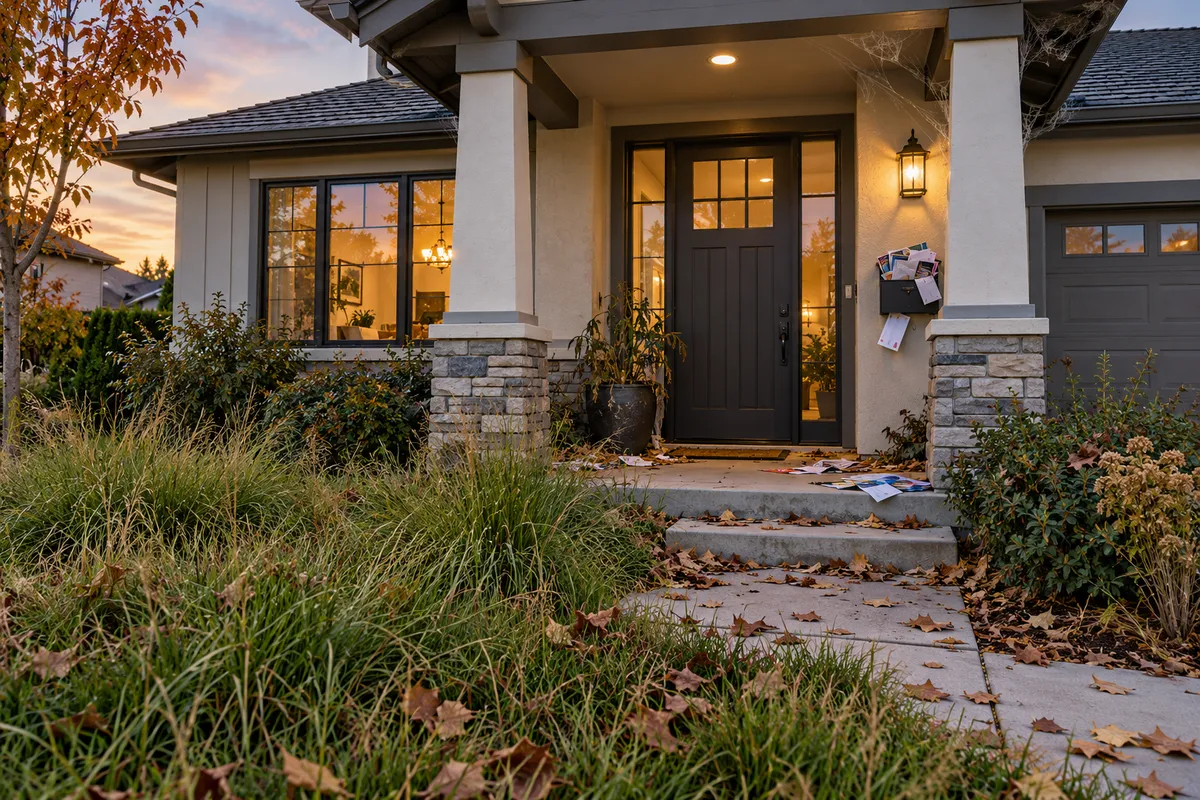
How Do You Keep a Vacant Home From Looking Abandoned?
How Do You Keep a Vacant Home From Looking Abandoned?
Last month, I was previewing a home for a client in Roseville. On MLS, it looked beautiful. The home had been recently remodeled, the furniture was neatly placed, and all the lights were turned on in the photos.
I was expecting a pretty easy showing.
Then I pulled up to the property.
The lawn was overgrown, leaves were everywhere, and the mail was literally spilling out of the mailbox near the front door. Flyers, papers, leaves, and mailers covered the porch, and the electricity had been turned off.
So now I was standing at the front door using my phone flashlight to find the lockbox and the keyhole in the deadbolt.
Very glamorous.
Then I walked through the entry and immediately turned into some sort of Ninja Warrior contestant trying to block and dodge the spiderwebs.
At that point, it did not matter how nice the MLS photos looked. The house felt abandoned.
That is the problem.
A vacant home does not need to look occupied. But it absolutely needs to look cared for.
Buyers Start Judging the Home Before They Walk Inside
Sellers sometimes focus almost entirely on the interior: paint, flooring, countertops, staging, and photos. All of those things matter, but buyers begin forming an opinion before they ever step through the front door.
They notice the lawn, the landscaping, leaves and debris, flyers on the porch, overflowing mail, cobwebs, dirty windows, exterior lights, and whether the property looks secure.
If the exterior says, “Nobody has been here in months,” buyers may start wondering what else has been neglected.
And once that thought starts, it can be hard to undo.
The MLS Photos Are Only Part of the Story
The Roseville home was a great example. The listing photos were attractive, the lights were on, the house looked fresh, and the remodel photographed well.
But a buyer does not purchase photographs. They purchase the home they experience when they arrive.
When there is a big difference between those two experiences, buyers notice.
The pictures may say:
“Move-in ready.”
But the property can accidentally say:
“Good luck finding the lockbox in the dark.”
That is not the impression we want.
An Overgrown Yard Makes a Bigger Statement Than You Think
Landscaping does not have to be perfect, but it should look maintained.
An overgrown lawn or neglected yard can make buyers assume the home has been sitting vacant for a long time. Then their minds start going:
How long has nobody been here?
Is the irrigation working?
What else has been deferred?
Has anyone been checking the property?
Sometimes those concerns are completely unrelated to the actual condition of the house.
But perception matters.
A basic mow, edging, leaf cleanup, and shrub trim can make a huge difference.
Mail and Flyers Are a Dead Giveaway
Nothing screams vacant house quite like a mailbox overflowing with mail.
Add a few flyers on the porch and maybe a package or two, and now the property is practically announcing:
Nobody lives here.
That is not just a presentation problem. It can also become a security concern.
If you are selling a vacant home, someone should be regularly removing mail, flyers, door hangers, newspapers, packages, and advertising materials.
Ideally, mail should be forwarded or otherwise handled so it does not accumulate at the property.
The goal is simple: do not let the front porch become a bulletin board announcing that the home is empty.
Please Keep the Electricity On
If you have read my article about utilities in a vacant home, you already know how I feel about this one.
I show homes after work, and especially in fall and winter, it gets dark early. Walking into a vacant home with no electricity is not a great buyer experience.
In this case, I had to use a flashlight just to get through the front door. And once inside, the home was much harder to evaluate.
Buyers want to see rooms, closets, bathrooms, hallways, garages, appliances, and electrical fixtures.
They should not have to tour the house like they are in a true-crime documentary.
If the property is being actively marketed, I usually want the electricity on.
And Then There Are the Spiderwebs
This was the part that made me laugh later.
At the time? Not so much.
Vacant homes seem to have an amazing ability to grow spiderwebs in exactly the places you are most likely to walk through: across the entry, between shrubs, near the lockbox, and around the porch light.
I am convinced spiders know when a listing goes vacant.
A quick sweep around the front entry, porch, exterior lights, door frames, and walkways can make the property feel dramatically more cared for.
It is a tiny task, but it changes the experience.
A Vacant Home Should Feel Quiet — Not Forgotten
There is a difference.
A vacant home can feel calm, clean, bright, secure, and ready for the next owner.
Or it can feel like everyone moved out and nobody looked back.
The difference is often not a major renovation.
It is maintenance.
What Should Someone Be Checking?
If a home is vacant and on the market, I would want someone regularly checking:
the front yard
landscaping
leaves and debris
mail
porch flyers
spiderwebs
exterior lights
interior lights
odors
temperature
toilets and sinks
appliances
windows and doors
the garage
the backyard
pool or spa
irrigation
signs of water leaks
signs of pests or trespassing
You are not conducting a full inspection every time. You are looking for anything that has changed.
The House Can Be Beautiful and Still Show Poorly
This is important.
The Roseville home was not a bad house. In fact, it had a lot going for it. It had been remodeled, and it looked attractive in the photos.
But the way the property was being maintained after the seller moved out took away from all of that work. And that may also be the reason why the house sat on the market while others sold.
That is frustrating because it is preventable.
If someone had mowed the lawn, cleared the leaves, emptied the mailbox, removed the flyers, swept the porch, cleared the spiderwebs, and kept the electricity on, my first impression would have been completely different.
The house itself did not need more remodeling.
It needed someone paying attention.
Your Vacant Home Does Not Need to Look Occupied
I do not think sellers need to pretend someone still lives there.
You do not need fake cars in the driveway. You do not need to leave coffee mugs on the counter. You do not need to make the house look artificially occupied.
You just want it to look maintained.
That tells buyers:
This property has been cared for.
That matters.
The Goal Is to Remove Questions
A buyer should walk into a vacant home thinking:
“I can see myself living here.”
Not:
“When was the last time somebody checked this place?”
Every unnecessary distraction takes attention away from the house itself.
Dead landscaping, overflowing mail, dark rooms, and cobwebs may be small things, but they create questions.
And questions can turn into hesitation.
Selling a Vacant Home in Greater Sacramento?
I’m Lisa Quaschnick, REALTOR® with eXp Realty of California, and I help homeowners throughout Sacramento, Placer, El Dorado, and Yolo counties prepare, manage, and sell vacant properties.
If you have already moved, live out of the area, inherited a property, or simply have a house sitting empty, I can help you figure out what needs attention so the property continues to show well while it is on the market.
Because a vacant home does not need someone living in it.
It just needs someone paying attention.
For more information, read:
How Often Should Someone Check on a Vacant House?
Should You Leave Utilities On in a Vacant House?
How to Sell a Vacant Home in Sacramento: A Step-by-Step Guide
From vacant to sold, you’ll have someone local helping you every step of the way.

Experience With Probate, Trust & Inherited Property Sales
Selling an inherited home is still a real estate transaction, but the circumstances surrounding it are often very different.
I have completed specialized training in probate and trust real estate and understand many of the practical issues that can arise when a property is being handled by a Trustee, Executor, Administrator, or family member.
My role is not to give legal advice. Your attorney handles the legal side.
My role is to help you understand and manage the real estate side of the property - preparing it, marketing it, negotiating the sale, and getting it successfully through closing.
Certified Probate Expert | Certified Probate & Trust Specialist




Have an Inherited Property in Greater Sacramento?
You may still be figuring out what to do next.
That’s okay.
You don’t need to have the house cleaned out.
You don’t need to know what repairs it needs.
And you certainly don’t need to have everything figured out before you call me.
We can start with a conversation about the property, your situation, and what needs to happen next.
From inherited to sold, you'll have someone local helping you every step of the way.
Lisa Quaschnick, REALTOR®
DRE #01702057 | eXp Realty of California
© 2026 - Lisa Quaschnick