
Inheriting a home often comes with more than just a set of keys. There may be belongings to sort through, repairs to consider, family members to coordinate with, legal steps already underway, or a property sitting vacant while you live somewhere else.
I help Trustees, Executors, Administrators, and heirs prepare and sell inherited homes throughout Greater Sacramento — whether the property is held in a trust, going through probate, needs work, or is ready to sell as-is.
Before you start cleaning everything out, hiring contractors, or spending money on improvements, let’s look at the property and determine what actually makes sense.
Who I Help

Trustees
When you’re responsible for a home held in a trust and need clear guidance on preparing and selling the property.

Executors & Administrators
When an estate includes real property and you need someone experienced with the real-estate side of an inherited-home sale.

Heirs & Beneficiaries
When you’ve inherited a home and need help deciding what to do with the property, belongings, repairs, and eventual sale.

Out-of-Area Families
When the property is here but you aren’t and you need someone local to help coordinate the details.
You're Not Here. I Am.
Inherited homes are often left behind after the family has moved away, a loved one has passed, or the person responsible for the property lives somewhere else.
I can be your local eyes and ears in the Greater Sacramento area, helping coordinate property access, cleanout, vendors, repairs, landscaping, inspections, staging, and the real-estate sale itself.
You don’t have to make repeated trips to Sacramento just to make sure the lawn was mowed, a contractor got inside, or the house is ready for an inspection.
You handle what only you can handle. I’ll help with the property here.
A Clear Plan for the Property
Every inherited home is different.
Some homes are ready to sell with very little preparation. Others have decades of belongings, deferred maintenance, family decisions still being made, or a property that has been sitting vacant. We’ll start with the home as it sits today and create a practical plan before you start spending money.
1. Assess
We’ll look at the property, its condition, your timeline, the local market, and what you hope to accomplish. I’ll help you understand the home’s current market position and identify anything that may affect the sale.
2. Prioritize
Before you hire contractors or start making improvements, we’ll determine what may actually help and what can probably be left alone. Sometimes a few strategic updates make sense.
Sometimes selling as-is is the better decision. The goal is to protect your time and the estate’s money, not renovate simply for the sake of renovating.
3. Prepare
If the property needs cleanout, cleaning, landscaping, repairs, vendor access, staging, or other preparation, I can help coordinate the local real-estate details and keep the process moving.
If you live outside the area, this can be especially valuable.
4. Sell
Once the property is ready, I’ll handle the real-estate sale from marketing through closing — including showings, offers, inspections, negotiations, appraisal, escrow, and the many details in between.
Throughout the process, I’ll keep you informed so you know what is happening with the property even when you cannot be here yourself.
Before You Spend Money on the House, Let's Talk.
You may not need to do nearly as much as you think.
One of the first questions families ask me is:
“What do we need to fix before we sell?”
Sometimes the answer is surprisingly little.
Before you empty the house, replace flooring, remodel a kitchen, or start calling contractors, let’s look at what buyers are likely to value and what is most likely to help the seller’s bottom line.
Inherited Home Resources
Practical answers for Trustees, Executors, Administrators, and heirs.
Selling an inherited property can bring up questions that don’t come with a typical home sale.
These resources are designed to help you understand your options, prepare the property wisely, avoid unnecessary expenses, and know what to expect along the way.
Topics include:
Selling a home held in a trust
Selling property during probate
Preparing an inherited home for sale
Deciding whether to repair or sell as-is
Managing a vacant inherited property
Cleaning out a home after a loved one passes
Selling when heirs live outside the area
Coordinating repairs and vendors
Staging an inherited or vacant home
Working through a sale involving multiple family members
Explore Inherited Home Resources
How Often Should Someone Check on a Vacant House?
How Often Should Someone Check on a Vacant House?
A few weeks ago, I was showing a vacant home to buyers.
The seller had moved out months earlier, and the disclosures were already uploaded into the MLS. I had read through them before the showing, and one item caught my attention.
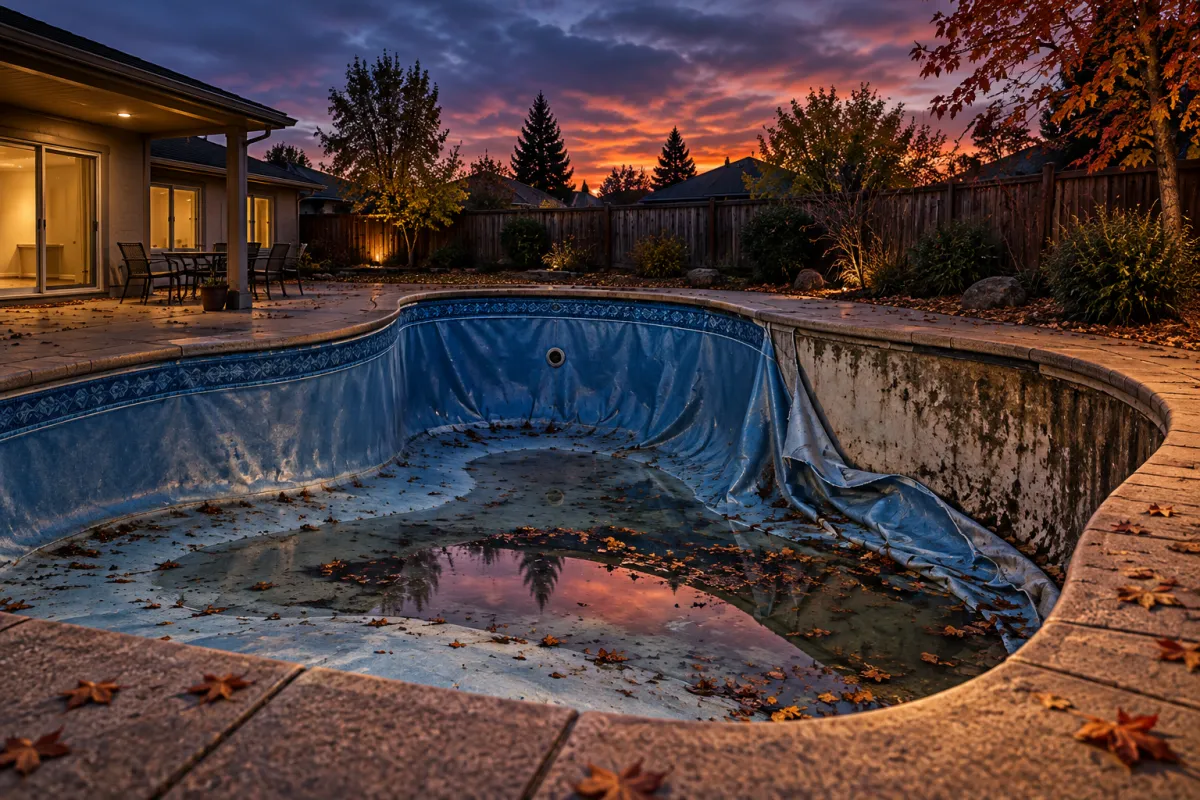
The seller disclosed that the pool liner had separated from the side of the pool by about a foot.
Not ideal, but at least we knew about it.
Then I arrived at the house.
The pool was nearly empty.
And that liner that had supposedly pulled away by about a foot?
It was now pulled away from roughly a third of the pool.
That was a very different situation than the one described in the disclosures.
And my first thought was:
When was the last time someone actually checked on this house?
That is one of the problems with vacant homes. A seller can leave a property in one condition, move hundreds of miles away, and reasonably assume it is still basically the same house they left.
But homes do not freeze in time just because nobody is living there.
Things happen.
Slow leaks become bigger leaks.
Landscaping dies.
Sprinklers break.
Toilets run.
Refrigerators stop working.
Pests move in.
Windstorms knock things loose.
And apparently, pools can go from “the liner has pulled away a little” to “well...we have a situation.”
A Vacant Home Still Needs Someone Watching It
One of the biggest misconceptions about a vacant property is that once everybody moves out, there is not much left to do.
Lock the door.
Keep the lawn mowed.
Put it on the market.
Done.
Unfortunately, houses do not always cooperate with that plan.
If nobody is regularly checking the property, a relatively minor problem can become an expensive one before anyone realizes what happened.
And when the owner lives out of the area, they may have absolutely no idea.
So How Often Should Someone Check a Vacant House?
There is not one schedule that is right for every property.
But if I were responsible for a vacant home, I would want someone physically checking it regularly, not simply driving past it.
How often depends on things like:
the condition and age of the home
how long it will be vacant
weather
landscaping and irrigation
whether there is a pool
whether utilities are on
whether repairs are underway
whether the home is currently listed for sale
the requirements of the property’s insurance policy
And that last one is important.
If a home is vacant or unoccupied, talk with the insurance company and make sure you understand what the policy requires. Do not assume the same coverage automatically applies once nobody is living there.
A Drive-By Is Not Really a Property Check
Driving past the house is better than nothing.
But you cannot see a running toilet from the street.
You probably will not notice water underneath a sink.
You will not hear the smoke detector that has been chirping for three days.
You will not know the refrigerator stopped working.
And you definitely are not going to know what is happening with the pool in the backyard.
A real check means walking the property.
What Should Someone Check Inside?
You do not need to conduct a home inspection every time.
You are looking for change.
Pay attention to things like:
Water
Look under sinks, around toilets, near the water heater, around appliances, and anywhere there has been a previous leak.
Temperature
Does the house feel unusually hot or cold? Is the HVAC operating as expected?
Odors
A strange smell can sometimes be the first sign of moisture, sewer issues, a dead refrigerator, or another problem.
Windows and Doors
Make sure everything still appears secure.
Smoke and Carbon Monoxide Detectors
A chirping detector in an empty house can apparently chirp forever.
Or at least it feels that way.
Appliances
If appliances are staying with the property and remain connected, make sure nothing is leaking or malfunctioning.
And yes, turn on a few lights.
As I mentioned in my article about leaving utilities on in a vacant home, buyers are much more comfortable walking into a property where the lights actually work.
And Do Not Forget the Outside
Walk around the entire property.
Check:
landscaping
irrigation
fences and gates
gutters and drainage
exterior faucets
roof areas visible from the ground
fallen branches
mail and packages
signs of trespassing
exterior lighting
pools and spas
And if there is a pool?
Please actually look at the pool.
I can now say that from experience.
And Then It Became More Than a Maintenance Problem
The condition of the pool was concerning enough on its own.
But because I was there with buyers who would be purchasing the home with financing, I immediately had another question:
What is the appraiser going to say about this?
I called my lender.
His concern was that an appraiser would likely view the condition of the pool as a safety issue.
And that is where a vacant-home maintenance problem can suddenly become a real estate transaction problem.
If the appraiser calls out a safety or property-condition issue and the buyer’s lender requires it to be corrected, the repair may need to be completed, and sometimes reinspected, before the lender will fund the loan.
Now think about what happened here.
When the seller completed the disclosure, the pool liner had reportedly separated by about a foot.
Months later, when I showed the property, the pool was nearly empty and the liner had pulled away from roughly a third of the pool.
That is no longer just:
“We disclosed the pool liner.”
The condition had changed significantly.
And now the seller could be facing a repair that may affect which buyers can purchase the property and whether a financed transaction can close on schedule.
This Is Why Checking a Vacant Home Matters Before You Get an Offer
A seller may think:
“The buyer can deal with it after closing.”
Sometimes that may be possible.
But sometimes the buyer’s lender has something to say about it.
Certain conditions can become appraisal or financing issues, particularly when they involve health, safety, structural concerns, or whether parts of the property are functioning appropriately.
And if the lender requires the condition to be corrected before funding, suddenly there is a deadline attached to a problem that may have been developing for months.
That is not when you want to start figuring out:
Who repairs pool liners?
How much is this going to cost?
Can somebody get out here this week?
Does the pool need to be refilled before the repair?
Does the appraiser have to come back?
Meanwhile, everyone is watching the closing date on the calendar.
It is much better to discover the problem before a buyer and an appraiser do.
A Vacant House Does Not Stay Frozen in Time
This is the part I really want vacant-home owners to understand.
The disclosure may have been completely accurate when it was completed.
But disclosures do not maintain the house.
A home can continue changing after the owner moves away.
And that can affect more than the cost of repairs.
It can affect:
how buyers perceive the property
what buyers are willing to pay
what loan programs may work for the property
what an appraiser identifies
whether repairs are required before closing
how smoothly the transaction moves toward funding
That is a very different consequence than simply discovering that something needs maintenance.
This Is Especially Important for Out-of-Area Owners
Maybe you have already relocated.
Maybe this was your parent’s home and you live in another state.
Maybe a tenant moved out and you are finished being a landlord.
Or perhaps you bought your next house before selling this one.
Whatever the reason, you are now responsible for a property you do not regularly see.
That is when having someone local becomes incredibly valuable.
You should not have to wonder:
Did the landscaper actually show up?
Is there water in the pool?
Did that repair get completed?
Is the house secure?
Did something happen during last week’s storm?
Someone needs to be the eyes on the property.
The House May Be Empty. The Responsibility Is Not.
Vacant homes are not necessarily problem homes.
But they can become problem homes when nobody is paying attention.
A quick, regular visit can catch something while it is still small.
And sometimes that visit reveals that the situation has changed quite a bit since the last time anyone looked.
Like a pool liner that went from pulling away by a foot...
...to pulling away from a third of the pool.
That one definitely got my attention.
And it reinforced something I believe even more strongly now:
The best time to discover that a vacant home has developed a problem is before the buyer, the inspector, or the appraiser discovers it for you.
Do You Own a Vacant Home in Greater Sacramento?
I’m Lisa Quaschnick, REALTOR® with eXp Realty of California, and I help owners throughout Sacramento, Placer, El Dorado, and Yolo counties prepare, manage, and sell vacant properties.
If you have already moved, live out of the area, inherited a property, or simply have a home sitting empty, I can help you figure out what needs attention before and during the sale.
For a broader overview, read my guide: How to Sell a Vacant Home in Sacramento: A Step-by-Step Guide.
And if you are wondering what utilities should stay on while a home is vacant, you can also read: Should You Leave Utilities On in a Vacant House?
You’re not here. I am.

Experience With Probate, Trust & Inherited Property Sales
Selling an inherited home is still a real estate transaction, but the circumstances surrounding it are often very different.
I have completed specialized training in probate and trust real estate and understand many of the practical issues that can arise when a property is being handled by a Trustee, Executor, Administrator, or family member.
My role is not to give legal advice. Your attorney handles the legal side.
My role is to help you understand and manage the real estate side of the property - preparing it, marketing it, negotiating the sale, and getting it successfully through closing.
Certified Probate Expert | Certified Probate & Trust Specialist



Have an Inherited Property in Greater Sacramento?
You may still be figuring out what to do next.
That’s okay.
You don’t need to have the house cleaned out.
You don’t need to know what repairs it needs.
And you certainly don’t need to have everything figured out before you call me.
We can start with a conversation about the property, your situation, and what needs to happen next.
From inherited to sold, you'll have someone local helping you every step of the way.
Lisa Quaschnick, REALTOR®
DRE# 01702057
eXp Realty of California
© 2026 - Lisa Quaschnick. All Rights Reserved. | Privacy Policy | Terms